
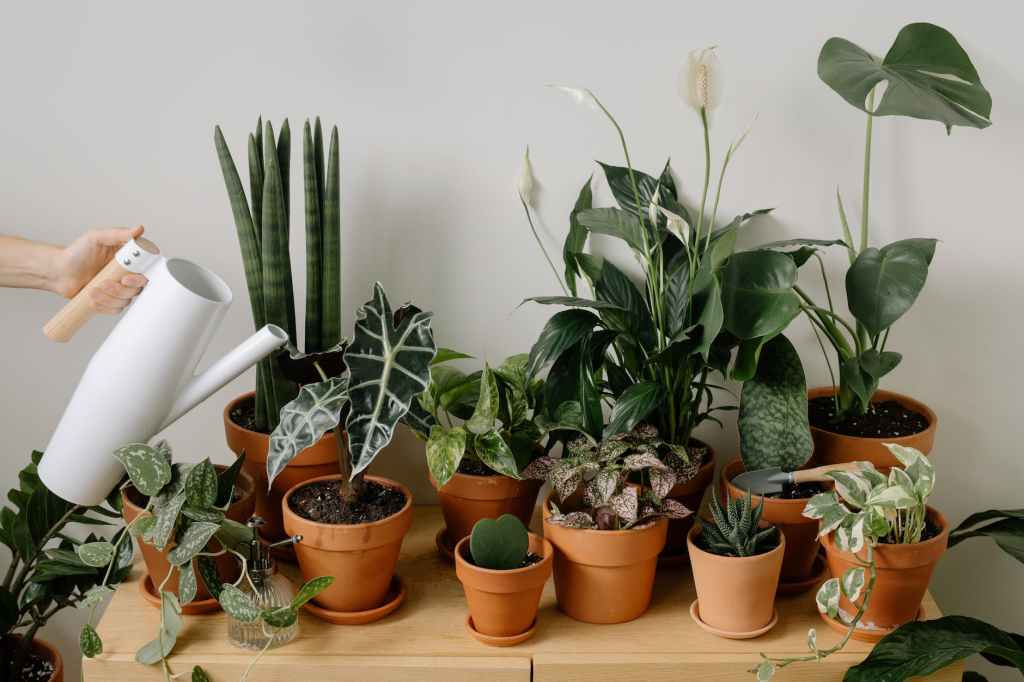
I’ve killed hundreds of plants.
Walking into my home now, you would never guess. My friends and family are amazed by my plant collection (aka my children), and they beg for my secret to such a thriving indoor garden.
The secret? Trial and error.
I’ve made pretty much every plant care mistake you can make. It has cost me a lot of money, time, and unfortunately…plants.
The world of indoor gardening might seem overwhelming for beginners, but fear not. You can learn from my mistakes, making fewer of your own.
Some errors are inevitable, but this is part of the experience. Your wallet will get some extra use, your patience will be tested, and your plants will pay the ultimate price.
And it’s worth it.
Houseplants have a unique way of making a house a home. They not only beautify your living space but also contribute to your overall well-being.
This guide, tailored for houseplant newbies, will introduce you to the best beginner indoor plants and provide practical tips on their care. I’ll make sure to highlight errors I’ve made along the way and how I learned to remedy them.
Why Houseplants?
Before we dive into my best tips and tricks, let’s talk about why houseplants are worth the investment.
Cleaner Air
Think about the feeling of taking a deep breath in the forest. The smell of clean air fills your nose and saturates your lungs. Ahh.
While your house might not replicate a forest anytime soon, houseplants can get you closer to achieving this feeling from the comfort of your home.
Houseplants act as natural air purifiers, absorbing pollutants and releasing oxygen. They improve indoor air quality, making your home environment a healthier place to be.
Stress Reduction
The presence of indoor plants has been linked to reduced stress and anxiety levels. Their calming effect can enhance your mental well-being.
Enhanced Productivity
Houseplants can boost your focus and productivity. Studies have shown that having plants in your workspace can increase concentration and creativity.
Aesthetic Appeal
Gardeners are artists, and nature is our medium.
Indoor plants literally bring a space to life, adding natural beauty to your home. They can elevate the visual appeal of any room and make it feel cozier.
If you weren’t already itching to fill your home with plants, you probably are now. Congratulations–you’ve officially been inducted into the club. Now for the fun part: Shopping!
Selecting the perfect houseplant is exciting but daunting for beginners. Let’s go over some of the easiest plants to start with.
Best Houseplants for Beginners
Snake Plant (Sansevieria)
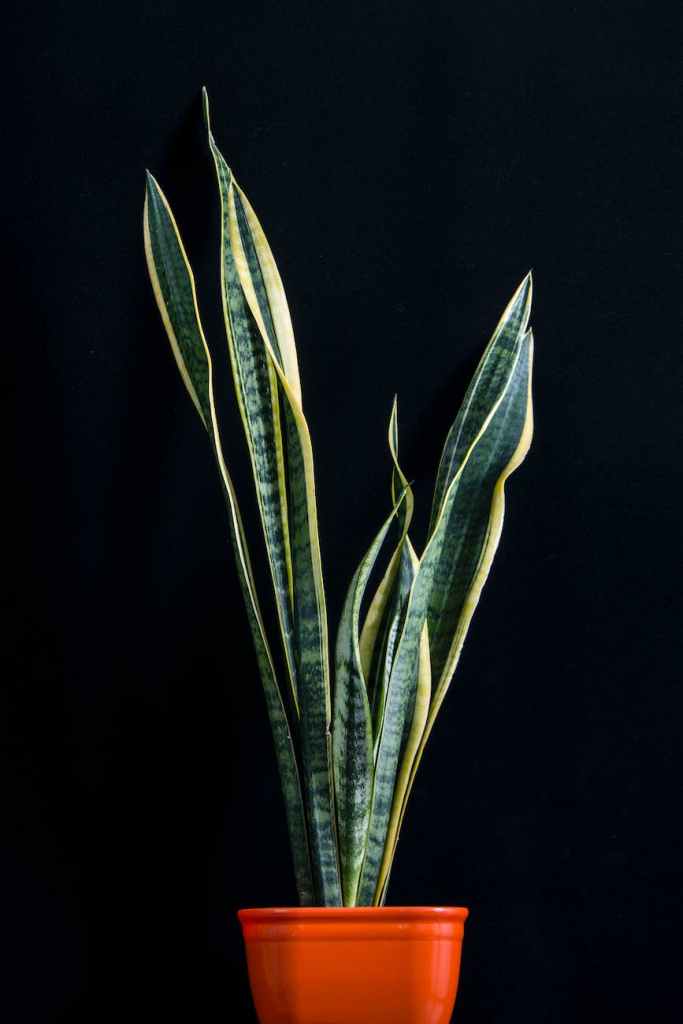
The snake plant is practically indestructible. It can thrive in low light conditions and only needs to be watered once every 2 weeks.
Only water when the soil is completely dry, and stop watering once you see liquid enter the drainage dish.
Spider Plant (Chlorophytum comosum)
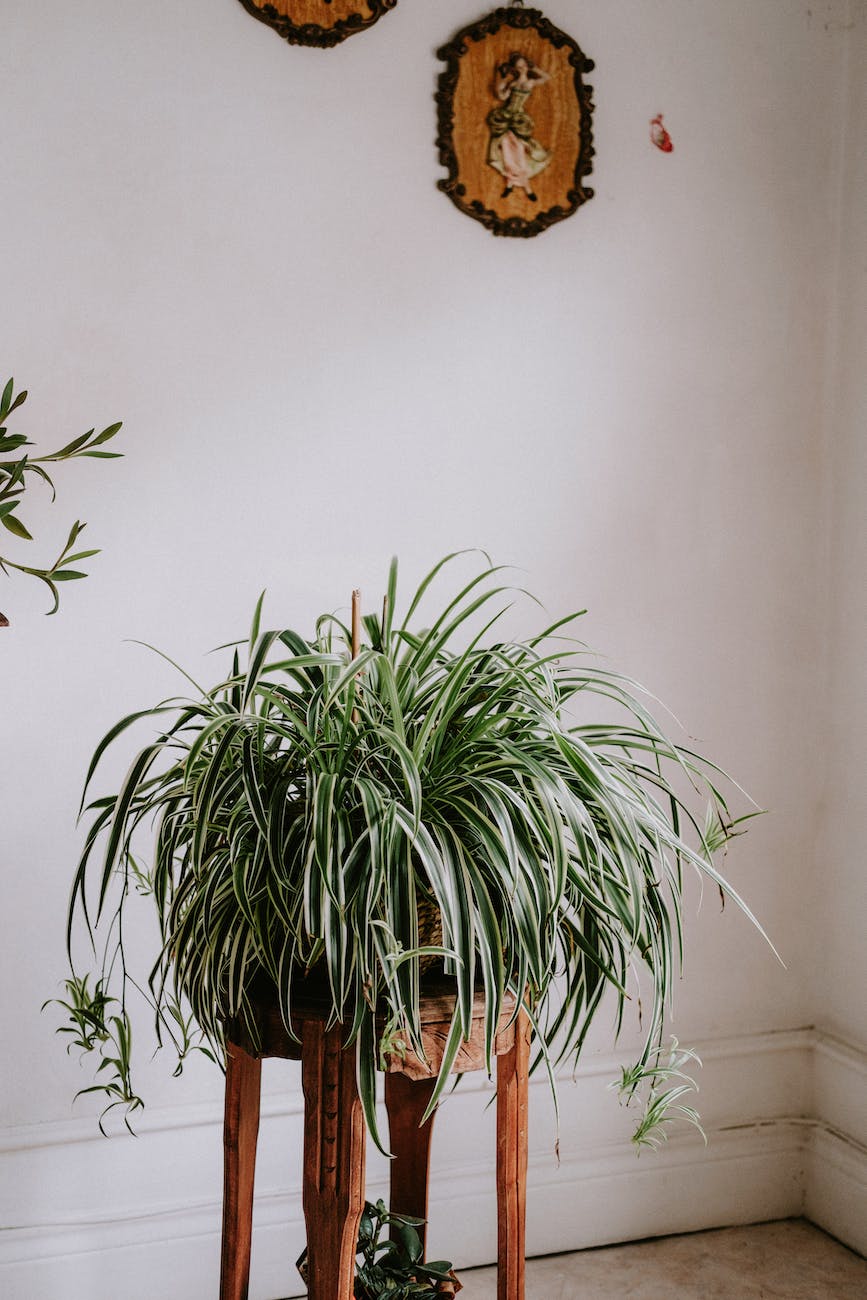
Spider plants are well-known for their air-purifying abilities. They can withstand occasional neglect and adapt to various lighting conditions.
Ideally, you would water this plant about once a week, but it’s pretty forgiving.
Pothos (Epipremnum aureum)
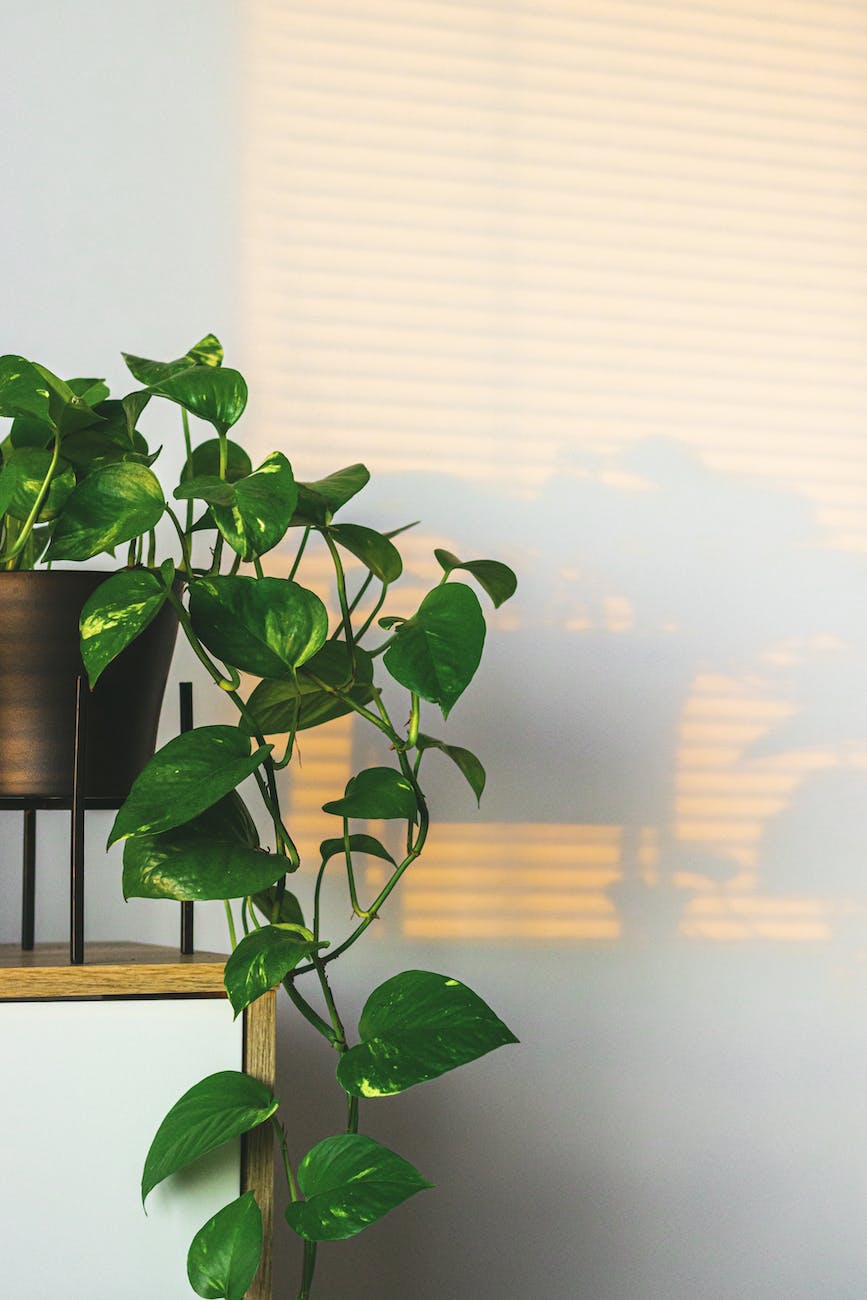
Pothos are incredibly low-maintenance. This plant can tolerate low light and irregular watering. Give your Pothos a drink once the soil dries out, watering until you see liquid start pouring into the drainage dish.
As a bonus, Pothos are easy to propagate. Propagation is when a plant creates new baby plants from cuttings, making it an excellent choice for those looking to expand their plant family on a budget.
ZZ Plant (Zamioculcas zamiifolia)
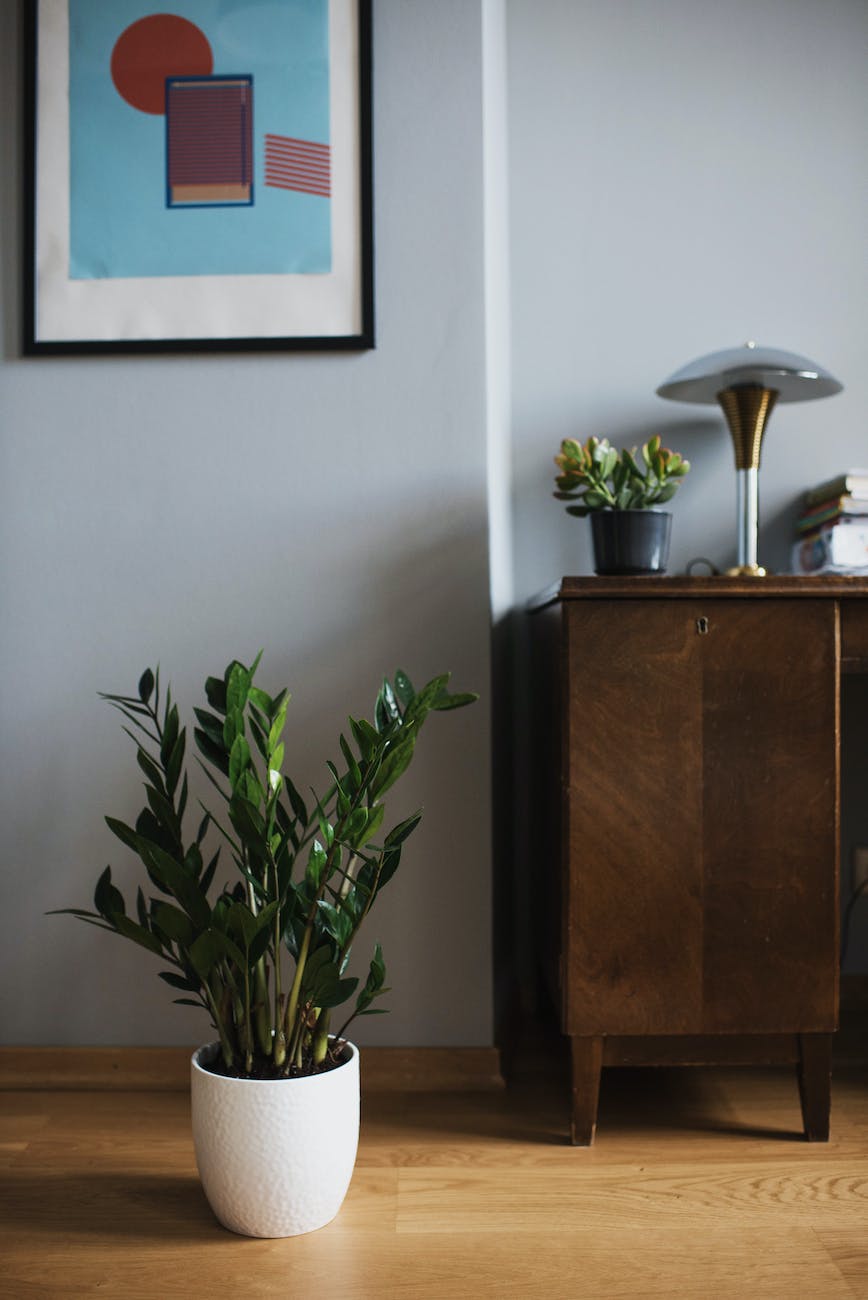
ZZ plants are nearly impossible to kill. In some cultures, it’s even known as the “forget me plant” because you really don’t have to pay it any attention.
They can thrive in low light, require watering once every 2-4 weeks, and are exceptional at purifying the air.
Peace Lily (Spathiphyllum)
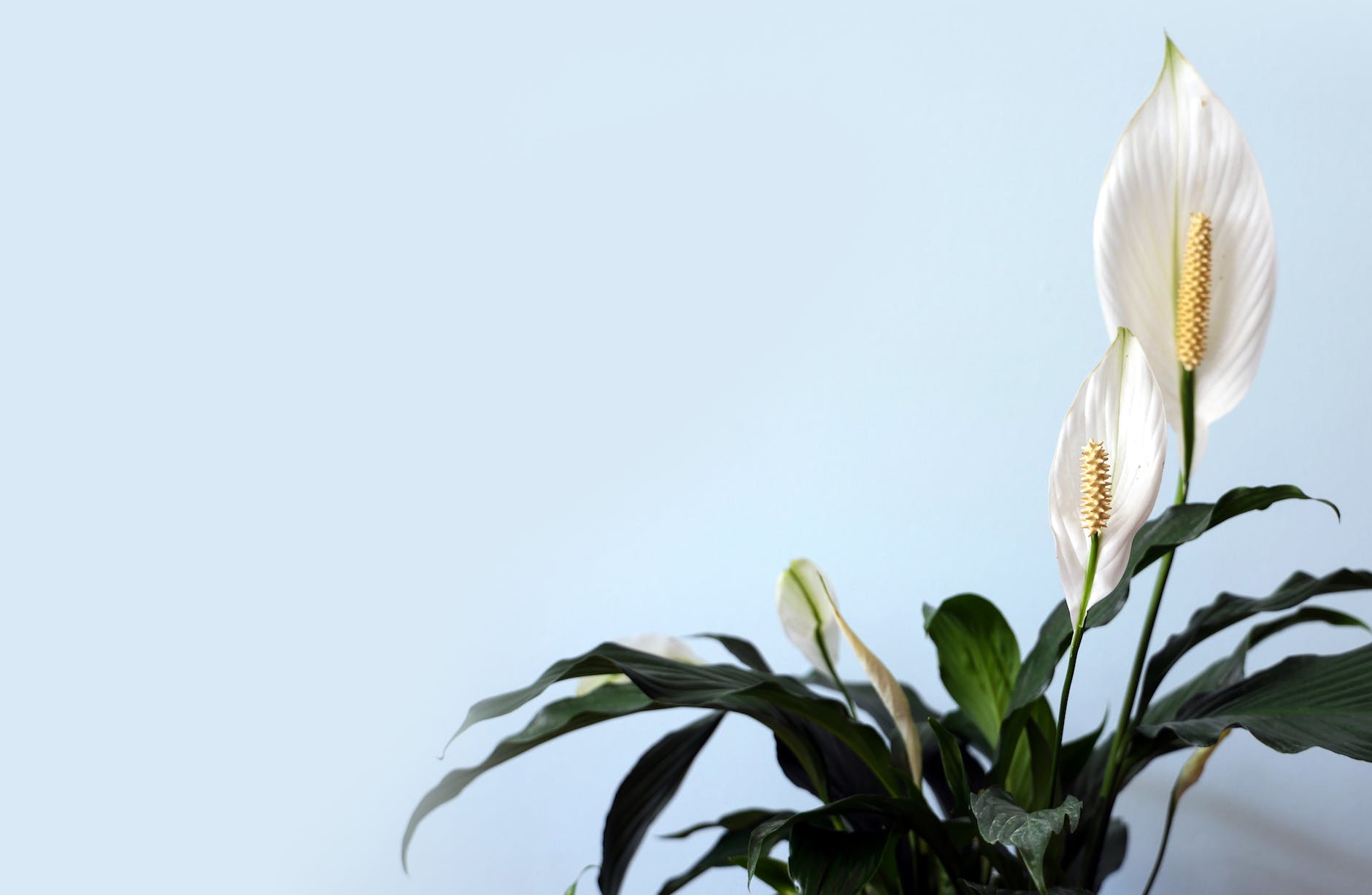
Peace lilies are known for their elegant white blooms. They thrive in low to moderate light and will tell you when they need water by drooping their leaves.
Once you notice the leaves have drooped, water until you see liquid in the drainage dish.
Rubber Plant (Ficus elastica)
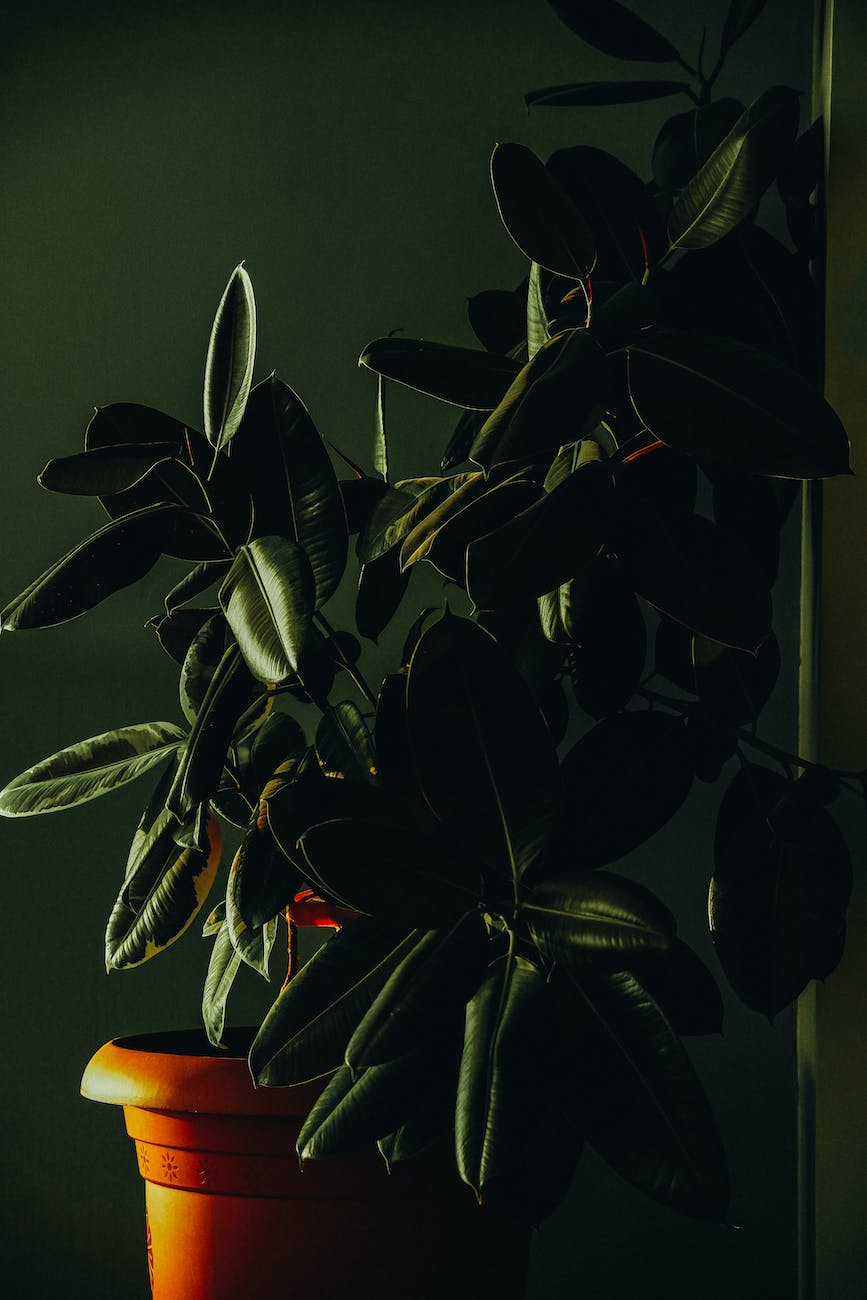
Rubber plants are sturdy and can tolerate low light conditions. If they are placed in a low-light space, they only need to be watered every 2 weeks. If you have it in a brighter spot (which they also like), then increase the watering to once a week.
As a bonus, rubber plants grow slowly, so you won’t need to worry about repotting for a while.
Aloe Vera
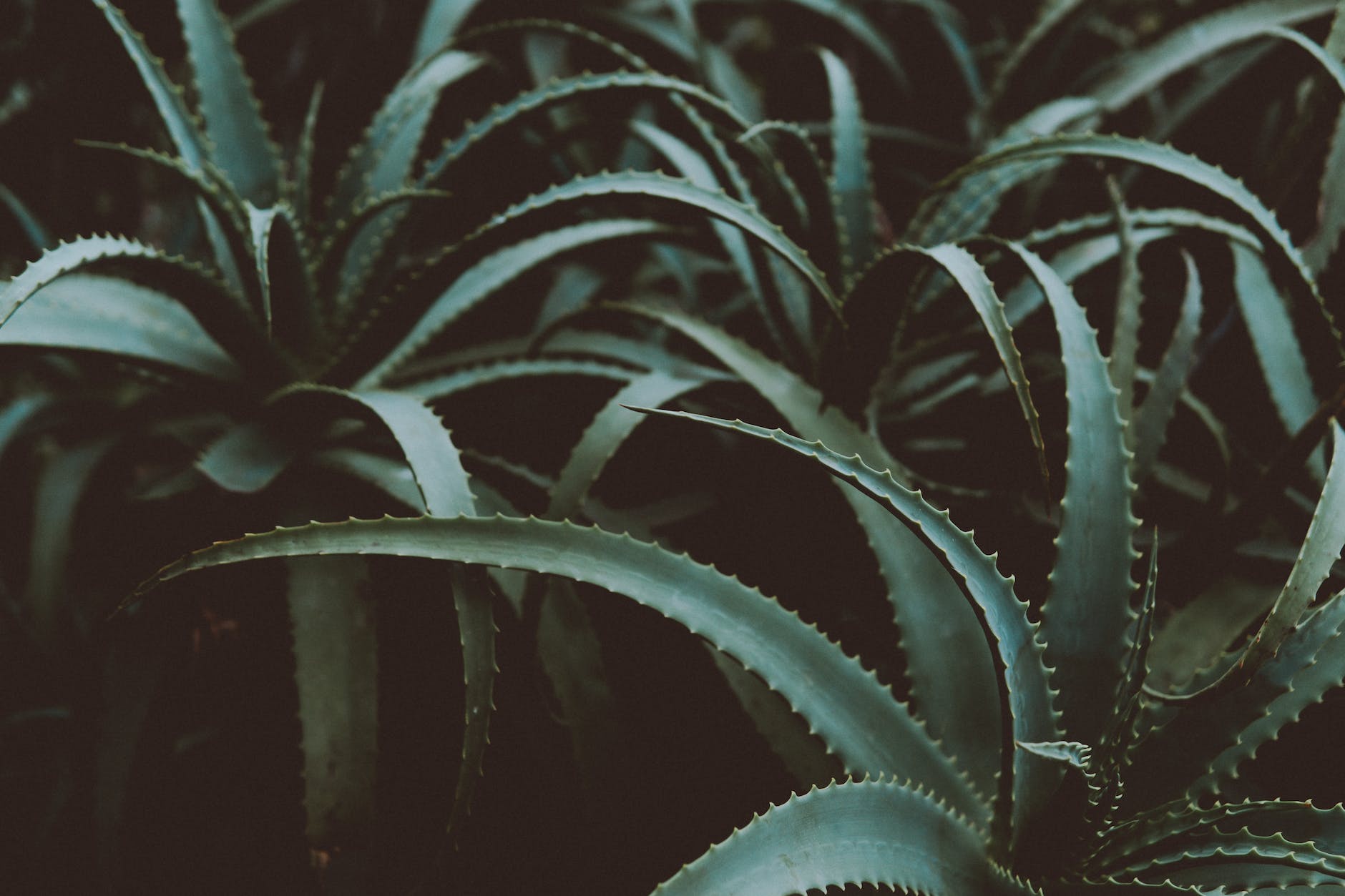
Aloe vera not only adds a touch of green to your space but also serves as a natural remedy for minor burns and skin irritations.
It’s my favorite way to treat sunburns since store-bought aloe vera typically contains an excess of unnecessary ingredients.
It prefers bright, indirect light (aka being placed in front of a north or east-facing window) and likes to be watered once a week.
Succulents
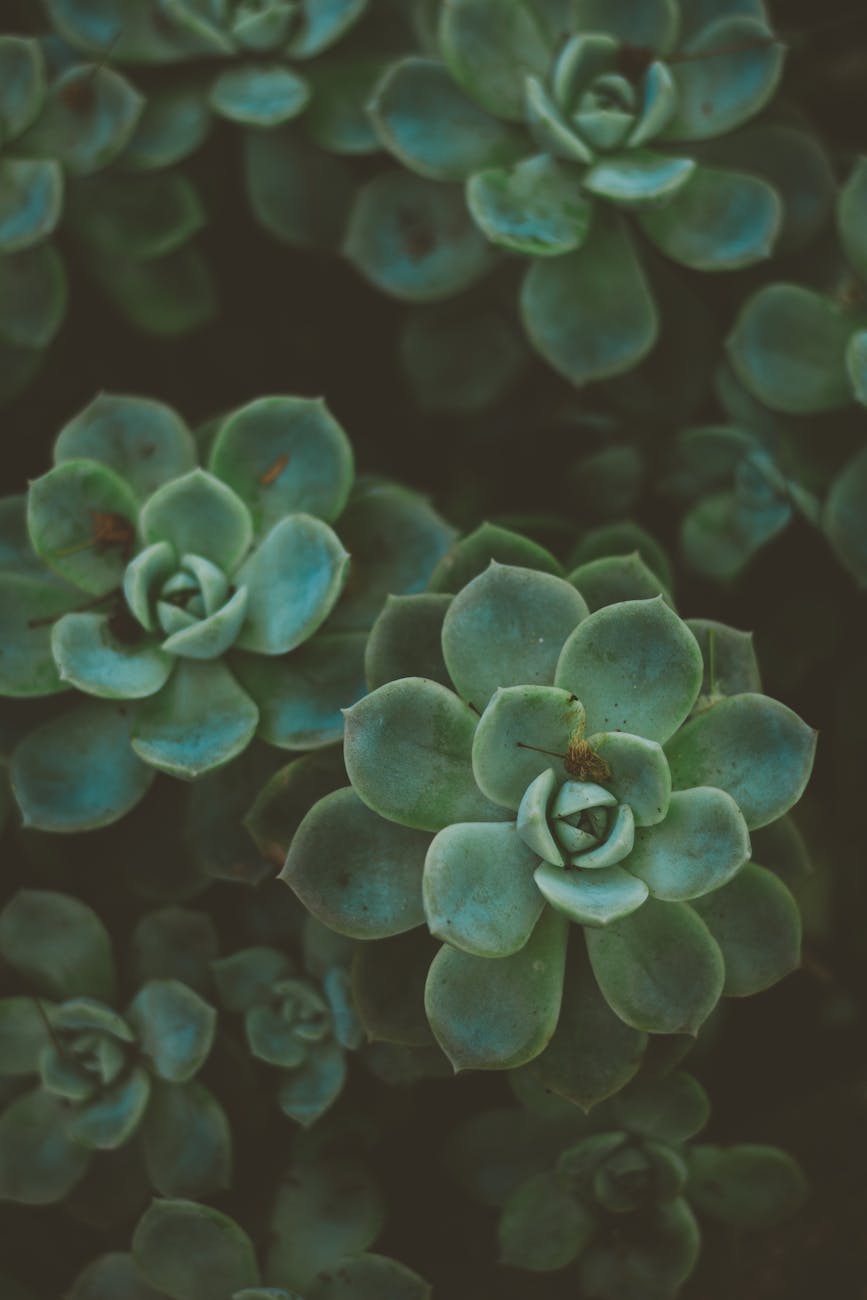
Succulents are good beginner plants for most people. They come in various shapes, sizes, and colors, making them a fun and attractive choice.
I’ve killed many succulents by over-indulging when watering. Learn from my mistakes–you can’t be too attentive with these guys.
As they are members of the cactus family, they thrive in succulent-specific soil and bright light.
You must plant succulents in a pot with proper drainage, otherwise, their leaves will burst from absorbing too much water.
When watering succulents, I try to mimic their natural desert environment by providing a pattern of drench and drought. Here’s how:
- Wait a generous amount of time between waterings. The soil should be bone dry and the leaves will have shrunk up.
- Then, over the sink or outside, give the soil a thorough soaking. Allow the pot to drain fully before placing it back on its drainage dish. You don’t want the pot to sit in standing water, as this will overwater the plant.
- Repeat steps 1-2. I don’t set a timeframe between these waterings because the soil may dry at different rates based on sun exposure and season. Occasionally check the dryness of the soil by sticking your finger into it.
Houseplant Care for Beginners
Now that you’ve chosen your first houseplant, here are some of my tried-and-true tips for keeping it alive:
Light
Most beginner-friendly houseplants do well in bright, indirect light. While that sounds incredibly vague, it’s pretty simple.
- You’re aiming for bright light, so start by scoping out your windows.
- You want to choose a spot near a window that gets hit with soft morning light. Alternatively, a good choice would be near a window where the sun’s rays never shine directly in.
- You will know your plant is getting too much sun if the leaves get sunburnt (yes, this happens). A sunburnt leaf will not heal, so it needs to be cut off. Either move the plant to a dimmer area or consider hanging a sheer curtain to filter the sun’s rays as they come through the window.
Generally speaking, placing your plant near a north or east-facing window will provide the right amount of sunshine without scorching the leaves.
Watering
You’re much more likely to overwater than underwater a plant.
If you remember anything from this guide, let it be this.
Now, say it with me: I’m much more likely to overwater than underwater.
Overwatering is a very common –and fatal– mistake. Before watering, check the soil moisture by sticking your finger about an inch into the soil. If it feels dry, it’s time to water. Otherwise, wait a couple of days and check again.
Drainage
Ensure your plant pots have drainage holes to prevent water from accumulating at the bottom, which can lead to root rot, aka death. Use pots with saucers to catch excess water.
If you’re dying to buy one of those cute hanging pots without a drainage hole, I get it. I’ve been there and I will warn you that these are risky for beginners.
If you must indulge, you can create drainage inside the pot using rocks.
Place a layer of rocks at the bottom of the pot before you put your plant inside. This allows the water to drain into the bed of rocks instead of over-saturating your soil.
Be very careful to avoid overwatering in these pots.
Humidity
Many houseplants, especially tropical varieties, appreciate higher humidity levels. You can increase humidity by misting your plants, placing a tray of water nearby, or using a humidifier.
Understanding your home climate and the type of plant you buy will be essential. When shopping at your local nursery, ask an employee to help you determine what climate your plant prefers.
Fertilizing
During the growing season (usually spring and summer), feed your plants with a balanced, water-soluble fertilizer every 4-6 weeks. You can either purchase fertilizer at your local garden center or try your hand at a homemade solution.
Make sure to reduce or eliminate fertilization during the dormant season (fall and winter).
Pruning
I love pruning. It’s like giving your plant a fresh haircut.
You may be reluctant to chop up your plant, but removing dead or yellowing leaves encourages new growth.
When a leaf dies, the plant continues to send it nutrients in an attempt to revive it. This means that the dead leaf is stealing vital nutrients from the healthy leaves.
As soon as a leaf starts showing signs of illness, I put it out of its misery.
Pruning contributes to the overall health of the plant and maintains its shape and appearance–your plant would thank you if it could.
Repotting
As your houseplants grow, they may outgrow their pots. If you notice roots emerging from the drainage holes or the plant becoming tippy and top-heavy, it’s time to repot into a slightly larger container.
It’s important to upgrade your pot size incrementally. When repotting, select a pot that is only 1-2 inches (2.5-5cm) larger than the last pot.
Pest Control
Keep an eye out for common houseplant pests like spider mites and mealybugs. If you spot any, promptly isolate the plant. You can get the pest problem under control before it becomes a full-fledged invasion.
Then, treat the affected plant with insecticidal soap. I also love neem oil spray, which is natural and can be found at most gardening centers.
How to Kill Your Plant
I’ve made all of these lethal errors at least once.
Even with easy-to-care-for houseplants, beginners can expect to make some common misjudgments, such as:
- Overwatering: Too much water can lead to root rot. Always check the soil moisture before watering.
- Ignoring Light Requirements: Placing a low-light plant in direct sunlight or a high-light plant in a dark corner can lead to a slow death.
- Choosing the Wrong Pot: Make sure your pots have drainage holes to prevent waterlogged soil.
- Using the Wrong Soil: Use a well-draining potting mix formulated for the specific type of plant you have. This is especially true for succulent varieties.
- Ignoring Pest Checks: Regularly inspect your plants for pests to catch and treat infestations early. Left untreated, these can kill your plant and even spread to other plants.
- Not Cleaning Plants: Wipe your plants’ leaves with a damp rag each time you water them. This cleans off dust, allowing your plant to photosynthesize properly. It’s also a great time to check for any pests.
“There are no gardening mistakes, only experiments.”
Janet Kilburn Philips
Remember that every houseplant is unique, and it will take some trial and error to find the perfect care routine.
You will kill some plants–don’t let this discourage you. With time and experience, you’ll become a houseplant hero, and your home will be filled with lush greenery.
Feel free to comment any questions you have below. I would be more than happy to address common concerns in future posts.
Happy gardening!

 The Conscious Chronicles