
Un-informed shopping is like showing up for a test you didn’t study for–stressful and unproductive.
I still remember the feeling of carelessly walking into chemistry class, completely unaware of the looming test. The moment I saw the paper on my desk, my blissful ignorance vanished.
My stomach dropped. I was struck with the realization that I didn’t stand a chance of passing this exam without studying. I hesitantly sat down, the blank test taunting me.
I felt something akin to this when I began my journey of conscious consumerism.
My dramatic 15-year-old self thought that failing a chemistry test was the end of the world. Somehow, walking into a grocery store years later, the stakes were even higher.
Suddenly I understood the value of money and the hard work it took to earn it. I could comprehend the ripple effect that each purchase initiated.
And again, I lacked the confidence to choose the correct answers.
Learning label lingo allows you to shop smart
Each purchase you make is like a vote. Your money either supports eco-friendly businesses or funds unsustainable practices.
Think about it this way: If you’re going to buy a product anyway, why not choose the one that aligns with your values?
An added benefit is that you also fill your life with products that do less harm–keeping toxins away from your home, off your body, and out of the landfill.
Living in Italy, Hawai’i, and Australia, I’ve learned each country has different eco-rules. Thankfully, there are a handful of international certifications that are recognized globally.
You’ll find them on labels at home, and you can look for them when traveling or shopping for international brands online.
Why International Labels Matter
Shopping has gone global. It’s easier and more affordable than ever to curate a collection of goods from all around the world.
International eco-friendly labels signify a product’s adherence to specific environmental, ethical, and social standards. These labels transcend geographical boundaries and unite a global community of conscious consumers and responsible businesses.
We’re becoming increasingly aware that the impact of our choices extends far beyond local borders. International eco-friendly labels serve as a common language, allowing consumers to decipher the sustainability credentials of products.
These certifications undergo rigorous assessment processes that evaluate a product’s entire lifecycle – from sourcing materials to disposal – ensuring transparency and accountability throughout the supply chain.
Notable International Eco-Friendly Labels and Certifications
International eco-friendly certifications are like Girl Scout badges for products that meet strict sustainability criteria.
They tell a story, guiding you toward choices that positively impact both the environment and society. Let’s look at some certifications that have earned their place on the global stage.
Oeko-Tex Standard 100
This certification is a textile gold star, ensuring that fabrics are free from harmful substances. It assures consumers that the clothes they wear are kind to their skin and the environment. Check out Oeko-Tex’s official website to learn more about their criteria.
EU Ecolabel
The EU Ecolabel combats green-washing. It’s like a green thumbs-up for products that talk the talk and walk the walk. Products boasting this label have truly minimized their carbon footprint and overall ecological burden. Dive into the specifics at the EU Ecolabel’s official site.
Global Organic Textile Standard (GOTS)
GOTS is a leading standard for organic fibers, championing textiles made with an earth-first mindset. It’s a promise of sustainable practices, from harvesting organic cotton to ensuring ethical labor conditions. Learn more on the GOTS website.
Rainforest Alliance Certified
This certification stands up for forests and farms, promoting sustainable agriculture and forestry practices that benefit both people and the planet. Uncover the Rainforest Alliance’s work at rainforest-alliance.org.
Cradle to Cradle Certified
Imagine products that live endless lives – that’s the dream behind Cradle to Cradle. It’s like a blueprint for circular design, ensuring materials are perpetually recycled and repurposed. Discover the full story at c2ccertified.org.
Carbon Neutral
Carbon Neutral is a badge of honor for products and companies that counteract their carbon emissions, balancing the environmental scales. Delve into carbon neutrality at carbonneutral.com.
Fairtrade International
This certification represents fairness, promoting equitable wages and ethical working conditions across borders. It’s like a handshake that spans continents, ensuring everyone gets a fair deal. Learn more at fairtrade.net.
Fortunately, these examples are just a glimpse into the array of eco-friendly certifications available globally.
Each symbol tells a story of responsible production, ethical practices, and a commitment to a greener future.
Take a look into local or national certifications in your country. This will further empower you to consume responsibly and support businesses that align with your values.
Understanding Eco-Friendly Symbols
When it comes to navigating the world of international eco-friendly labels, understanding the common symbols can be like playing an impossible game of Pictionary.
Let’s demystify those little icons and shed light on what they mean for our planet.
Recycling Symbols
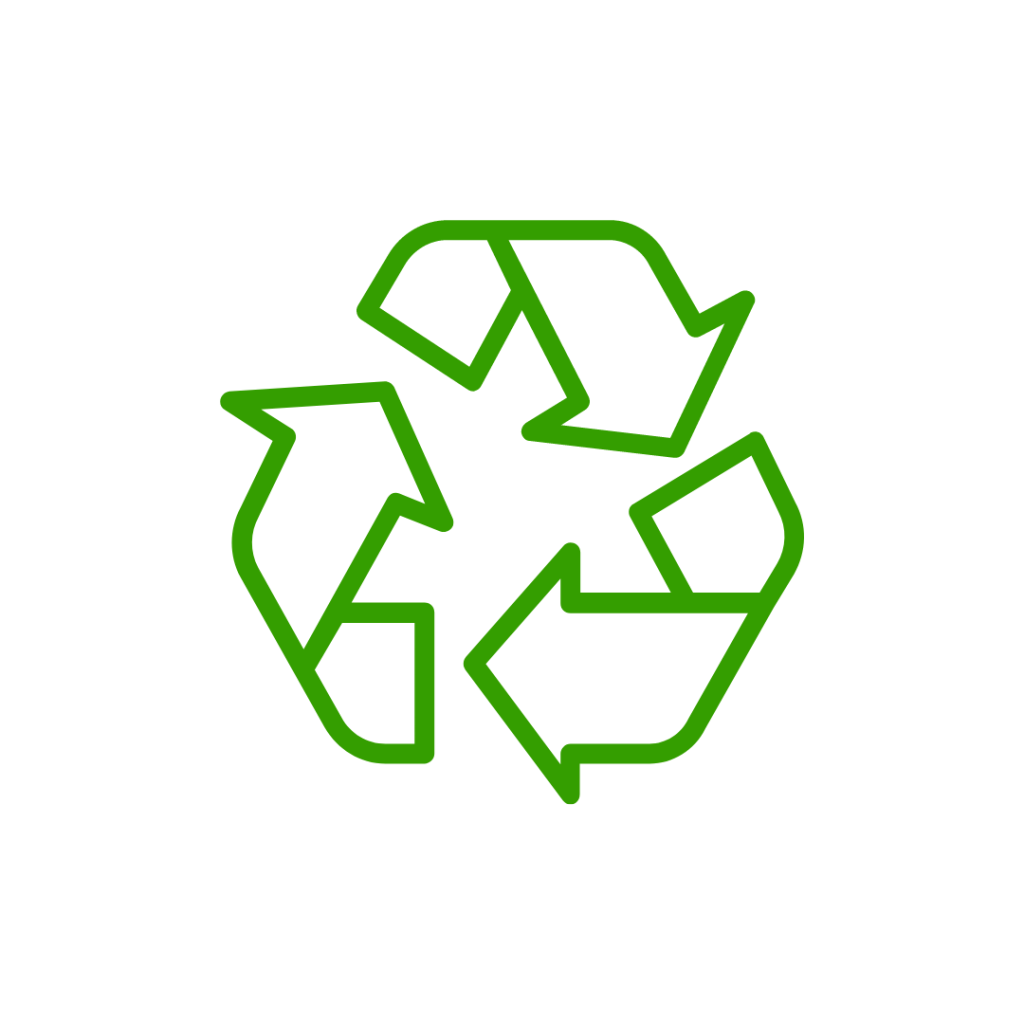
This one probably looks familiar. Those little triangles indicate that a product or its packaging can be recycled.
But did you know that there are numbers within the triangle that refer to resin codes?
For instance, #1 represents PET (polyethylene terephthalate), commonly used in water bottles and containers. For a full breakdown of these codes and what they mean, check out this helpful guide.
It’s important to check which numbers can be recycled in your area. You can usually find this information on your local government’s website. Otherwise, there are recycling resources like this one if you live in the US.
Recycling unacceptable materials can be unsafe and may contaminate materials, diverting them from the recycling center straight to the landfill.
Biodegradable and Compostable Symbols
These are tricky. There is a lot to unpack with these little symbols, so I have a separate post breaking everything down (pun intended).

Compostable

Biodegradable
The most important thing to note is that bioplastics don’t just disappear magically. There is a proper way to dispose of these materials. Simply tossing them in the bin won’t cut it!
Bioplastics show that the industry is shifting away from traditional plastics and toward more Earth-friendly materials (woohoo!). But there is a lot of progress to be made for these products to be truly sustainable.
If this all seems a bit overwhelming, I get it. I can feel the same way.
When in doubt, reach for reusable! By bringing your own cup to get coffee or filling up a reusable water bottle, you won’t have to worry about disposing of single-use goods. Going reusable is as simple as wash, rinse, and repeat…again and again.
Do Your Research
Labels offer a sneak peek into a product’s sustainability, but they don’t tell the whole story. It’s like judging a book by its cover – there’s so much more to explore within.
A holistic evaluation of products is the ultimate key to responsible consumption.
Holistic evaluation requires some investigating. Dig into a brand’s mission statements, initiatives, and partnerships. It’s like knowing someone’s history before hiring them. You are paying these people after all.
A deep dive into a product’s backstory, from sourcing to production, reveals the true extent of its eco-friendliness.
Resources that Rate Products and Brands
There are a handful of excellent resources you can use to investigate a product’s eco-impact.
Personal Care
For evaluating personal care products, I love utilizing EWG’s Skin Deep Database.
Fashion
For clothing brand ratings, Good on you is a great resource. You can search the ratings of brands you shop for, or discover something new by shopping for highly-rated brands.
Food
For seafood lovers, Seafood Watch is a helpful resource. You can research your favorite fish and choose to eat sustainably, pushing the fishing industry toward more eco-friendly initiatives.
Other
For an extensive eco-label index, click here.
Final Thoughts
“You cannot get through a single day without having an impact on the world around you. What you do makes a difference, and you have to decide what kind of difference you want to make.”
Jane Goodall
When making a purchase, you are faced with a choice to spend your money in a meaningful way. Now that you know how to read labels, you can feel empowered to make better choices.
International eco-friendly labels serve as our compass, guiding us toward responsible choices that transcend borders.
These certifications tell stories of ethical production, environmental stewardship, and a commitment to a greener future.
By decoding eco-symbols and investigating product origins, we can wield our purchasing power to create a sustainable world. Remember, it’s not just about pictures on a label; it’s about the bigger picture of supporting companies that promote conscious consumption.
So, let’s utilize these tools as our allies on the path to a more eco-conscious future.

 The Conscious Chronicles